An In-Depth Look at Jawaharlal Nehru University: Courses, Faculty, and Campus Life
Overview of Jawaharlal Nehru University
 Jawaharlal Nehru University (JNU) was established in 1969 with the vision of promoting higher education through interdisciplinary learning and research. Named after one of India’s pivotal leaders, Jawaharlal Nehru, the university embodies the values of scientific temper, secularism, and democratic principles. Over the years, JNU has carved a distinct niche in the Indian education landscape, positioning itself as a leading institution known for its research-driven approach to various disciplines.
The primary mission of JNU is to facilitate a robust academic environment where students can engage in critical inquiry and diverse areas of study. With a unique structure that encourages the blend of humanities and social sciences with natural sciences, the university aims to foster comprehensive knowledge among its students. The diverse array of programs offered reflects JNU’s commitment to generating knowledge that transcends traditional academic boundaries. The university is highly regarded not just for its rigorous programs but also for the quality of its faculty, many of whom are esteemed scholars in their respective fields.
Currently, the university is led by Vice-Chancellor Shantanu Roy, who has made significant contributions to the institution’s strategic goals and academic integrity. Under his leadership, the university has continued to thrive, focusing on enhancing research capacity, attracting talented faculty members, and maintaining high educational standards. JNU’s vibrant campus life, diverse student body, and the commitment to social justice and equality underscore the university’s importance in shaping critical thinkers and leaders for the future.
Courses Offered at JNU
Jawaharlal Nehru University (JNU) is renowned for its diverse range of academic programs, encompassing undergraduate, postgraduate, and doctoral degrees across multiple disciplines. The university is structured into various schools and centers, each dedicated to fostering specialized study and research. Among the key offerings are programs in international relations, social sciences, language studies, and environmental sciences, among others.
The School of International Studies provides a comprehensive curriculum focusing on global affairs, international diplomacy, and security studies. Students pursuing a Master’s or PhD in this field benefit from a rigorous academic framework that encourages critical thinking and policy analysis. The faculty comprises seasoned experts and renowned scholars, enriching the learning experience with practical insights.
Similarly, the School of Social Sciences offers an array of programs that delve into sociology, anthropology, and development studies. The interdisciplinary approach adopted in these courses encourages collaboration across various fields of study, allowing students to engage deeply with complex societal issues. The curriculum emphasizes research methodologies and equips students with analytical tools necessary for a career in research or policy-making.
Language studies also play a significant role at JNU, with programs offered in multiple languages, including Hindi, French, and Chinese. These courses not only focus on linguistic proficiency but also immerse students in the cultural and historical contexts of the languages studied. The richness of these programs remains evident in the faculty’s dedication to fostering an understanding of global cultures and communication.
In addition to these specialized programs, JNU promotes interdisciplinary studies, allowing students to blend courses across different schools. This flexibility is particularly beneficial for those seeking to explore the intersections between disciplines, equipping them with a broader perspective necessary for navigating contemporary global challenges.
Faculty Highlights and Research Opportunities
Jawaharlal Nehru University (JNU) is renowned not only for its robust academic programs but also for its distinguished faculty, whose contributions to research and scholarship set the institution apart. The faculty members at JNU come from diverse academic backgrounds and possess advanced degrees from some of the world’s leading universities. Their areas of expertise span a wide range of disciplines, including social sciences, humanities, language studies, and natural sciences, allowing JNU to maintain a comprehensive and enriching educational environment.
The faculty is actively engaged in a myriad of research initiatives, often collaborating with both industry and government bodies to address contemporary issues and contribute to policy development. These collaborations not only enhance the quality of research conducted but also facilitate practical applications of academic findings. Faculty members publish extensively in reputed journals, participate in international conferences, and are often recognized for their pioneering work in their respective fields.
One of the distinctive features of JNU is the emphasis on mentorship for students. Faculty members play a pivotal role in guiding students through their academic journeys. They are available for consultations, advising on research proposals, and offering support throughout the research process. Additionally, JNU offers various provisions for student involvement in research projects, internships, and seminars, which further enriches the learning experience. These opportunities enable students to engage deeply with their subjects, foster critical thinking, and develop essential skills for their future careers.
Moreover, the university encourages interdisciplinary research, allowing students and faculty to work together across various fields, thus promoting innovation and creativity. The collaborative atmosphere at JNU creates a vibrant academic community where knowledge is shared, and new ideas flourish. This dedicated approach to faculty development and student support positions JNU as a leading institution for higher education and research in India.
Campus Life and Student Engagement
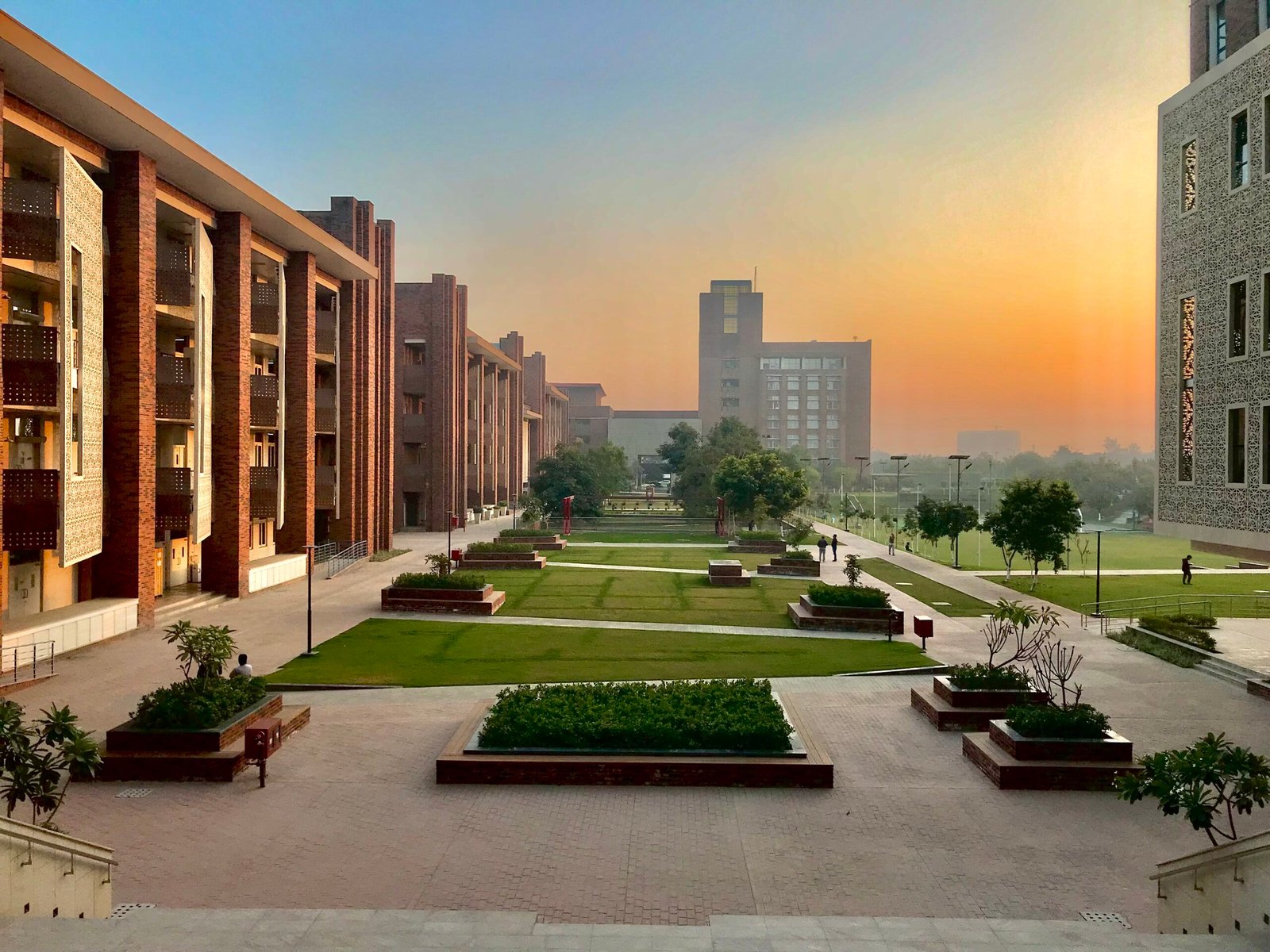
Jawaharlal Nehru University (JNU) is renowned for its vibrant campus culture, fostering an environment that encourages engagement, collaboration, and intellectual growth among students. The university is not just an educational institution but also a melting pot of ideas and perspectives, where students actively participate in discussions surrounding critical social, political, and educational issues. The student body is known for its robust debates regarding campus management, academic freedom, and social activism, which are essential to the JNU experience.
The various clubs and societies at JNU offer students opportunities to explore their interests beyond academics. From cultural and artistic societies to political forums and debate clubs, these organizations play a crucial role in shaping student life. They provide a platform for students to express themselves, develop leadership skills, and engage in community service, further enhancing the holistic educational experience. The campus facilities, including libraries, recreational areas, and laboratories, support these endeavors and contribute to an engaging atmosphere that nurtures both academic and personal development.
In terms of campus selection, students are carefully chosen based on their application materials and entrance exam results, ensuring that a diverse and passionate group of individuals makes up the student population. This selection process enriches the campus experience, as it brings together students from various backgrounds, each contributing unique perspectives to campus life. Notable events, such as annual cultural festivals and academic conferences, are integral to JNU’s dynamic environment, providing students with opportunities to showcase their talents and engage with thought leaders.
Overall, the interplay of academic, cultural, and social activities at JNU creates a multifaceted campus life that prepares students for future challenges while fostering an inclusive community of engaged learners.